Do Less, Part 1: Navigating Demands of Others
In this 2-part WorkforceWise Feature series, we tackle the big question that researchers connect to “happiness” and “satisfaction with life”: what is eating up all of our time and how can we do less?

In this 2-part WorkforceWise Feature series, we tackle the big question that researchers connect to “happiness” and “satisfaction with life”: what is eating up all of our time and how can we do less?

In the Sci-Fi Psyche-Drama “Poor Things”, Emma Stone plays Bella, a woman who sees extreme inequality for the first time as an adult and suffers great psychological trauma from the experience.

Recent survey revealed that more than 80% of workers are worried about losing their job in 2025, and it’s having an impact on productivity. Are you one of them?
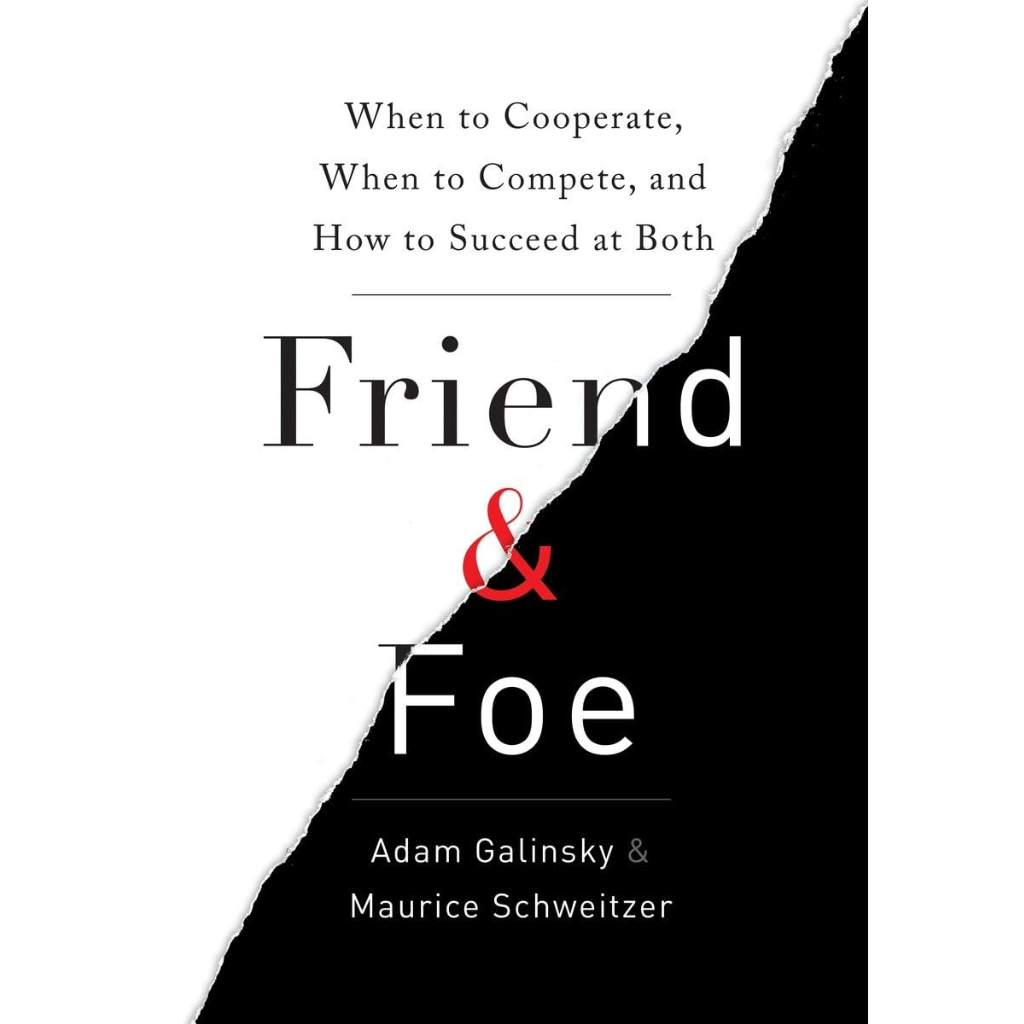
Perhaps the most interesting discussion in Friend & Foe by Adam Galinsky is about how most leaders with an imbalance of power are unaware of others’ perspectives, and how leaders can improve their ability to see the world through others’ shoes.
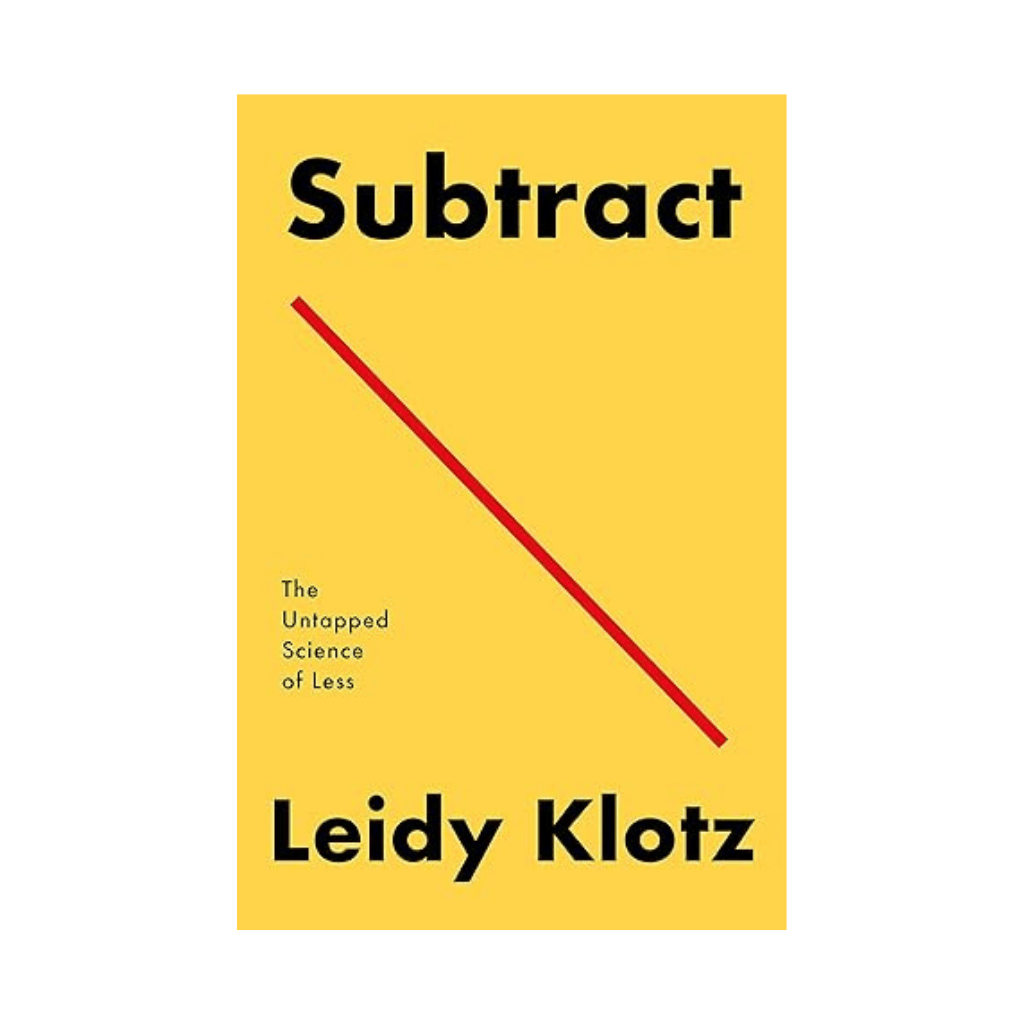
You’ve been to plenty of meetings where you add “to-dos” but have you ever deliberately considered “stop-doings”? Find out how subtracting is a new form of innovation.




Distractions in our lives are increasing, not decreasing. Our ability to stay on task in the face of laptops, smartphones and smart watches is changing according to Gloria Mark, PhD., author of the book “Attention Span”.
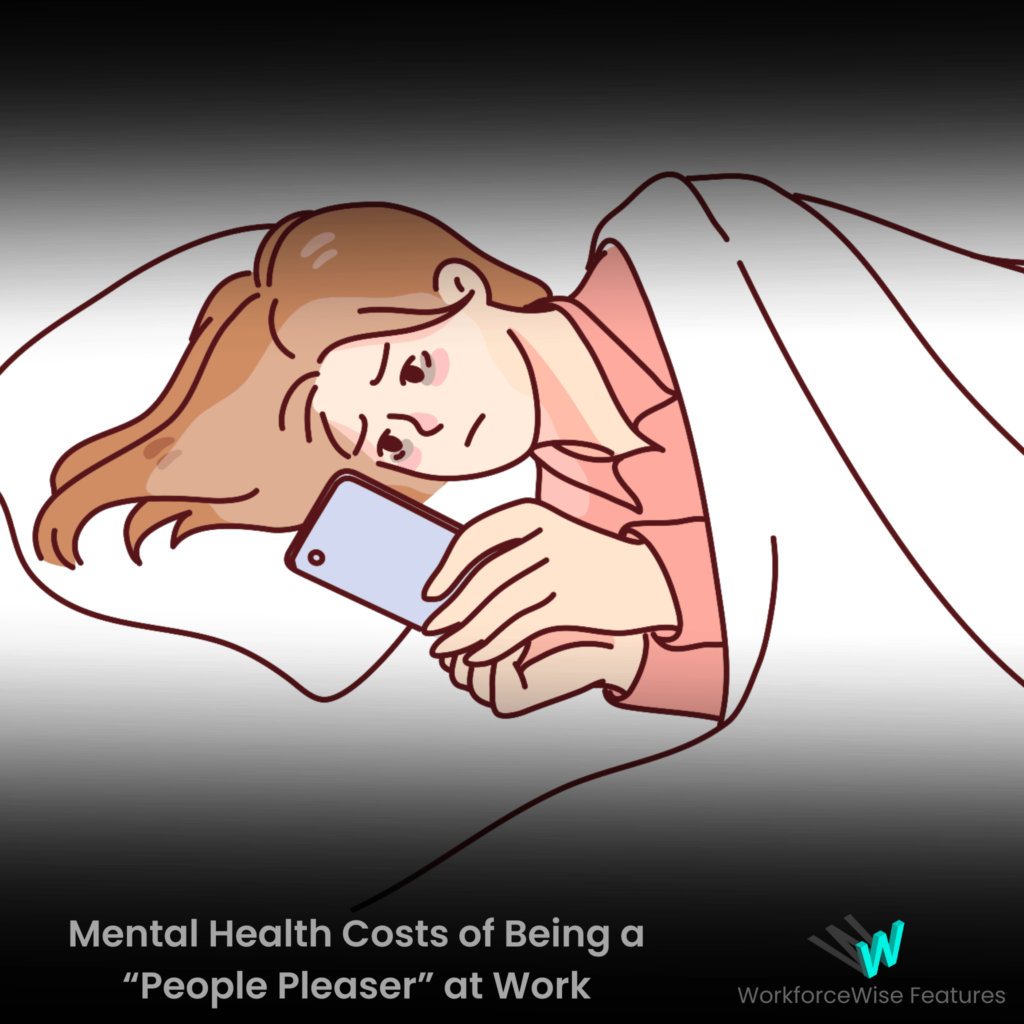
Your professional success will come much more naturally once you’ve made a solid habit of making appropriate boundaries with your manager, boss, co-workers, and others. How to target and change those people-pleasing habits.

Music can be a help or a hinderance depending on a few factors.
Instead of blaming your people, look at the processes you’re giving them.